
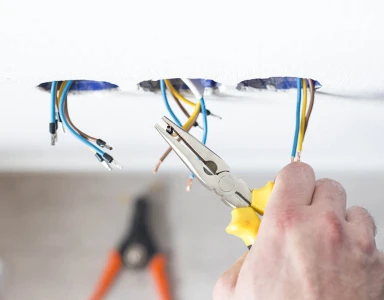
A home rewiring project is moderately disruptive but very manageable with the right planning. Most homes in the Chicago area take between 3 and 10 days to rewire, and you can usually stay in the home during the work. This guide covers what to expect at each stage, how much it costs, and what makes a rewire harder or easier depending on your specific situation.
Understand What a Full Home Rewire Actually Involves
A rewire means replacing the electrical wiring throughout your home, including branch circuits, outlets, switches, and often the main panel. Electricians pull new wire through walls, ceilings, and floors, then connect everything to a new or upgraded breaker panel.
In older Chicago homes, especially those built before 1970, the original wiring may be knob-and-tube or aluminum. Both present safety risks and are often flagged by home inspectors or insurance companies. Rewiring addresses those risks at the source.
The scope of work affects everything: how long it takes, how much wall access is needed, and how much you pay. A 1,000 sq ft bungalow is a different job than a 3,500 sq ft two-flat in Berwyn or a ranch home in Tinley Park.
See How Long a Rewiring Project Takes by Home Size
Timeline is usually the first question homeowners ask. Here is a realistic breakdown based on home size and crew size. These ranges reflect typical projects Jimco Electric handles in Chicago and the surrounding suburbs.
| Home Size | Estimated Timeline | Crew Size |
|---|---|---|
| Under 1,000 sq ft | 2 to 4 days | 2 electricians |
| 1,000 to 1,800 sq ft | 4 to 6 days | 2 to 3 electricians |
| 1,800 to 2,800 sq ft | 5 to 8 days | 3 electricians |
| 2,800 sq ft and above | 7 to 10 days | 3 to 4 electricians |
These timelines assume normal access to walls and attic space. Finished basements, plaster walls, or difficult attic layouts can add one to three days to any project.
Chicago bungalows and two-flats often have plaster walls instead of drywall. Plaster is harder to fish wire through and more likely to crack during the process. Your electrician should discuss this with you upfront so you know what kind of patching is involved after the work is done.
Compare Home Rewiring Costs for Chicago Area Homes
Cost is tied directly to scope, home age, and access difficulty. Here is a realistic cost table for rewiring projects in Chicago and the surrounding 40-mile radius, including suburbs like Oak Park, Joliet, Aurora, and Naperville.
| Project Type | Estimated Cost Range | Notes |
|---|---|---|
| Partial rewire (1 to 2 floors) | $3,500 to $6,000 | Common in older Chicago homes |
| Full rewire, small home | $6,000 to $10,000 | Under 1,500 sq ft |
| Full rewire, mid-size home | $10,000 to $16,000 | 1,500 to 2,500 sq ft |
| Full rewire, large home | $16,000 to $25,000+ | Over 2,500 sq ft |
| Panel upgrade included | Add $1,500 to $3,500 | 100A to 200A upgrade |
Illinois requires a licensed electrician to pull permits for rewiring work. The City of Chicago and Cook County suburbs each have their own inspection processes. Factor in permit costs of $150 to $500 depending on your municipality when budgeting.
Jimco Electric handles permitting on behalf of homeowners. You should not need to chase down paperwork or call the village yourself.
Identify the Most Disruptive Parts of the Rewiring Process
Not every part of a rewire causes the same level of inconvenience. Some phases are loud and dusty while others are almost invisible. Here is what homeowners typically find most disruptive.
- Power outages: Expect sections of your home to lose power for periods during the work. Electricians need to de-energize circuits to work safely. Full power is usually restored each evening.
- Wall and ceiling access: In some cases, small sections of drywall or plaster must be opened to run new wire. This creates dust and requires patching after the job.
- Noise: Drilling through studs and joists is loud. Work typically runs 7 AM to 5 PM on weekdays. If you work from home, plan for noise during those hours.
- Furniture moving: Electricians need clear access to outlets, switches, and panel locations. You may need to move furniture away from walls before work begins.
- Appliance access: Refrigerators, stoves, and other hardwired appliances may be temporarily disconnected. Plan meals around this during the project.
Most homeowners find that Days 1 and 2 are the most disruptive as electricians open up access points and begin running wire. By the second half of the project, the pace slows and the work is mostly connection and cleanup.
Explore Ways to Reduce Disruption During a Rewire
There are practical things you can do before and during the project to make the experience much smoother. Jimco Electric walks homeowners through a pre-project checklist, but here are the basics every homeowner should know.
- Clear a 3-foot working radius around every outlet, switch, and panel before Day 1.
- Set up a temporary workspace away from the main work areas if you work from home.
- Stock up on easy meals or plan to eat out during the first few days when kitchen power may be interrupted.
- Ask your electrician which circuits will be down on which days so you can plan accordingly.
- Cover furniture in dusty areas with drop cloths, especially near plaster walls.
- Arrange for pet care if your animals are stressed by noise or strangers in the home.
- Confirm the drywall or plaster patching plan upfront. Some electrical companies do not patch walls and you will need a separate contractor.
Communication with your electrician is the biggest factor in reducing disruption. A good crew will tell you each morning what to expect that day so you are never caught off guard.
Know When a Rewire Is Required vs. Optional in Illinois
Some rewires are elective upgrades. Others are effectively required by circumstances. Knowing where you fall helps you plan your budget and urgency.
In Illinois and specifically in Chicago, knob-and-tube wiring is not automatically illegal, but many insurance companies will refuse to cover a home that still has it. If your homeowner’s insurance has flagged your wiring or threatened non-renewal, a rewire is not optional in any practical sense.
Common situations that make a rewire necessary include the following. First, your home was built before 1960 and has never been updated. Second, you are adding a major appliance like an EV charger, hot tub, or whole-home generator that exceeds current capacity. Third, circuit breakers trip frequently with normal household use. Fourth, outlets spark, feel warm, or show scorch marks. Fifth, a licensed inspector has identified aluminum branch circuit wiring, which was common in Chicago-area homes built in the 1960s and early 1970s.
If you are unsure whether your home needs a full rewire or targeted repairs, an electrical inspection from Jimco Electric can give you a clear answer without any obligation to proceed with the larger job.
FAQs on Home Rewiring Projects
Can I stay in my home during a rewiring project?
Yes, in most cases you can remain in your home during a rewire. Power is typically restored to the main living areas each evening. The main exception is if your panel is being replaced, which may require a full power shutoff for one day.
How much does it cost to rewire a house in the Chicago area?
A full rewire in Chicago and surrounding suburbs typically costs between $6,000 and $25,000 depending on home size and scope. Older homes with plaster walls or knob-and-tube wiring tend to fall toward the higher end of that range due to access difficulty.
Do I need a permit to rewire my house in Illinois?
Yes. Illinois requires permits for rewiring work, and each municipality has its own inspection process. In Chicago, the city’s Department of Buildings oversees electrical permits. Suburban towns like Naperville, Orland Park, and Schaumburg each have their own permit offices. Jimco Electric handles all of this on your behalf.
Will electricians need to open my walls to rewire the house?
It depends on the wiring method used. Some wire can be fished through walls without cutting. In other cases, small access holes are needed. Older Chicago homes with plaster walls require more care and are more likely to need patching after the project is complete.
How do I know if my home needs a full rewire or just repairs?
Signs that point toward a full rewire include knob-and-tube or aluminum wiring throughout the home, frequent breaker trips, warm outlets, and insurance flags. An electrician can inspect your panel and existing wiring to determine whether targeted repairs are sufficient or a full rewire is the better long-term investment.
How long does a home rewire take in a Chicago bungalow?
A typical Chicago bungalow between 900 and 1,400 square feet takes about 4 to 6 days to rewire. Plaster walls, a finished basement, or an unfinished attic can extend that timeline by one to two days. Your electrician should give you a written estimate of the schedule before work begins.
Wrap Up and Next Steps
A home rewiring project is disruptive for a week or so, but it is very livable with good planning and clear communication with your electrical crew. The payoff is a safer home, lower risk of electrical fires, and wiring that meets current Illinois code.
If you are in Chicago or within 40 miles, Jimco Electric is ready to give you a straight answer on what your home needs and what the project will look like day by day. Call us at 708-304-8687 to schedule a free electrical assessment or to request a project quote.