
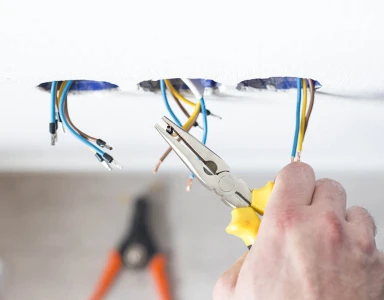
Aluminum wiring typically needs to be replaced or remediated when you notice flickering lights, warm outlet covers, burning smells, or when a licensed electrician confirms the wiring connections are deteriorating. Homes built in Chicago and the surrounding suburbs between 1965 and 1973 are most likely to have aluminum branch circuit wiring, and the risks are well-documented. This article walks you through exactly what to look for, what an inspection involves, and what your options are.
Understand Why Aluminum Wiring Is a Safety Concern
Aluminum expands and contracts more than copper when it heats up and cools down. Over decades, this repeated movement loosens connections at outlets, switches, and breaker panels. Loose connections create heat, and heat creates fire risk.
According to the U.S. Consumer Product Safety Commission, homes with aluminum wiring are 55 times more likely to have a fire hazard condition than homes with copper wiring. That is not a small margin.
The problem is most common in single-strand aluminum branch circuit wiring, which was used widely during the copper shortage of the 1960s and early 1970s. Larger gauge aluminum wiring used for main service lines and dryer or range circuits is generally considered safe when properly maintained.
Spot the Warning Signs in Your Home
You do not need to be an electrician to notice the early warning signs. Pay attention to these signals inside your home:
- Lights that flicker or dim without an obvious cause
- Outlets or switch plates that feel warm or hot to the touch
- A faint burning smell near outlets, panels, or switches
- Outlets or switches that spark when you plug something in or flip them
- Breakers that trip frequently without a clear overload reason
- Discoloration or scorch marks around outlet covers
Any one of these signs warrants a call to a licensed electrician. If you are experiencing two or more at once, treat it as urgent. Jimco Electric handles these assessments throughout Chicago and up to 40 miles outside the city, including communities like Joliet, Aurora, Elgin, and Waukegan.
Know What an Electrician Looks for During an Inspection
A qualified electrician will look at several specific things when assessing aluminum wiring. The inspection is not just a visual check. It involves opening outlets and panels to examine the actual connections.
Here is what a thorough aluminum wiring inspection typically covers:
- Identifying whether the wiring is single-strand aluminum branch circuit wiring or multi-strand aluminum used for larger appliance circuits
- Checking every outlet, switch, and fixture connection for signs of oxidation, arcing, or looseness
- Inspecting the breaker panel for proper aluminum-rated breakers and connections
- Looking for any DIY repairs or improper copper-to-aluminum connections made without the correct connectors
- Reviewing whether CO/ALR-rated devices are installed at outlets and switches
Chicago and Illinois follow the National Electrical Code (NEC), and local building departments in Cook County and surrounding counties may have additional inspection requirements when wiring remediation work is permitted. A licensed electrician will know what applies in your specific municipality.
Compare Your Remediation Options and Costs
Full replacement is not always the only answer. There are several accepted methods for making aluminum wiring safer, and the right choice depends on the age of your home, your budget, and the current condition of the wiring. Here is a comparison:
| Option | What It Involves | Estimated Cost Range | Best For |
|---|---|---|---|
| Full Rewire (Copper) | Remove all aluminum branch wiring, replace with copper | $8,000 to $20,000+ | Homes with extensive deterioration or major renovation |
| Pigtailing with CO/ALR Connectors | Add short copper extensions at each connection point using approved connectors | $1,500 to $5,000 | Homes with wiring in fair condition, budget-conscious owners |
| CO/ALR Device Replacement | Swap all outlets and switches for aluminum-rated devices | $500 to $2,000 | Supplementary step, not a standalone fix |
| AlumiConn or COPALUM Connectors | Approved crimp or mechanical connectors at every connection | $2,000 to $6,000 | Widely accepted by insurers and inspectors |
Costs vary based on the size of your home, the number of circuits, and the accessibility of the wiring. A 1,500 square foot ranch-style home in the Chicago suburbs will cost significantly less to remediate than a 3,000 square foot two-story home with finished walls.
Jimco Electric provides written estimates before any work begins so you know exactly what to expect.
Understand the Illinois Permitting and Insurance Angle
In Illinois, electrical remediation work on aluminum wiring typically requires a permit, especially if you are doing pigtailing throughout the home or rewiring circuits. Cook County and many collar counties including DuPage, Kane, and Lake County require permits for this type of work.
Skipping the permit is not worth the risk. Unpermitted electrical work can void your homeowner’s insurance, create problems when you sell, and leave you liable if a fire occurs.
On the insurance side, many homeowners in the Chicago area discover their insurer either refuses to cover aluminum-wired homes or charges a significantly higher premium. Some insurers will only reduce your premium once you provide documentation that remediation was completed by a licensed electrician and passed inspection.
Ask your insurance company directly what they require. Then call Jimco Electric and we can walk you through what documentation we provide after completing the work.
Review When Full Replacement Is the Right Call
Pigtailing and CO/ALR devices are legitimate options, but there are situations where full copper rewiring is the safer and smarter investment. Use this comparison to help guide your thinking:
| Situation | Recommended Approach | Reason |
|---|---|---|
| Wiring shows visible arcing or burn marks | Full rewire | Existing damage means the wiring itself is compromised |
| Home is being substantially renovated | Full rewire | Walls are already open, cost difference is minimal |
| Wiring is in good condition, no signs of issues | Pigtailing or AlumiConn | Cost-effective and widely accepted as safe |
| Selling the home in the next 1 to 2 years | Full rewire or AlumiConn | Buyers and inspectors will flag aluminum wiring |
| Insurance is refusing to cover the home | Full rewire | Some insurers only accept full copper replacement |
| Budget is limited | Pigtailing with permits | Approved method that addresses the main hazard points |
There is no universal answer. The right choice depends on your specific situation, and a proper inspection is the only way to know for sure what condition your wiring is in.
FAQs on Aluminum Wiring Replacement
How do I know if my Chicago home has aluminum wiring?
Check your electrical panel for wires labeled AL or ALUM, or look for silver-colored wires instead of copper-toned ones. Homes built in the Chicago area between 1965 and 1973 have the highest likelihood of containing aluminum branch circuit wiring. A licensed electrician can confirm this quickly during an inspection.
Is aluminum wiring always dangerous?
Not always immediately dangerous, but it does carry a significantly higher risk than copper wiring, especially as it ages and connections loosen. The danger level depends on the condition of the connections, whether proper devices are installed, and how much the wiring has been disturbed over the years. An inspection will tell you where your home actually stands.
Can I sell a home with aluminum wiring in Illinois?
Yes, you can sell a home with aluminum wiring in Illinois, but you are required to disclose it. Many buyers will request remediation or a price reduction, and some lenders or insurers may require proof of remediation before closing. Having the work done before listing often results in a smoother sale.
Does homeowner’s insurance cover aluminum wiring issues?
Coverage varies by insurer. Some companies in the Chicago area will insure homes with aluminum wiring if proper remediation has been completed and documented. Others will refuse coverage or surcharge the policy. Contact your insurer directly and ask what their specific requirements are for aluminum-wired homes.
How long does aluminum wiring remediation take?
A pigtailing job in an average-sized home typically takes one to three days. A full rewire can take three to seven days depending on home size and wall accessibility. Jimco Electric will give you a realistic project timeline during your estimate so you can plan accordingly.
Is pigtailing aluminum wiring safe and approved?
Yes, when done correctly with approved connectors such as AlumiConn or COPALUM, pigtailing is recognized as a safe remediation method by the CPSC and most insurers. The work must be done by a licensed electrician and permitted through your local municipality to be considered compliant.
Wrap Up and Next Steps
Aluminum wiring does not automatically mean your home is on the verge of a fire, but it does mean you need a clear picture of the condition of your electrical system. The warning signs are real, the risks are documented, and the good news is that safe, cost-effective solutions exist.
Jimco Electric works with homeowners across Chicago and within 40 miles of the city to assess, remediate, and document aluminum wiring safely and to code. Call us at 708-304-8687 to schedule an inspection or request a written estimate. The sooner you know what you are dealing with, the easier it is to make the right call.